Project title: “Strengthening Green and Digital Capacities in Higher Education through Cooperation in Integrating Historical Buildings into a Sustainable and Digital Future – HEIstorical” (Erasmus+ Cooperation Partnerships in Higher Education KA 220- ED)
Introduction
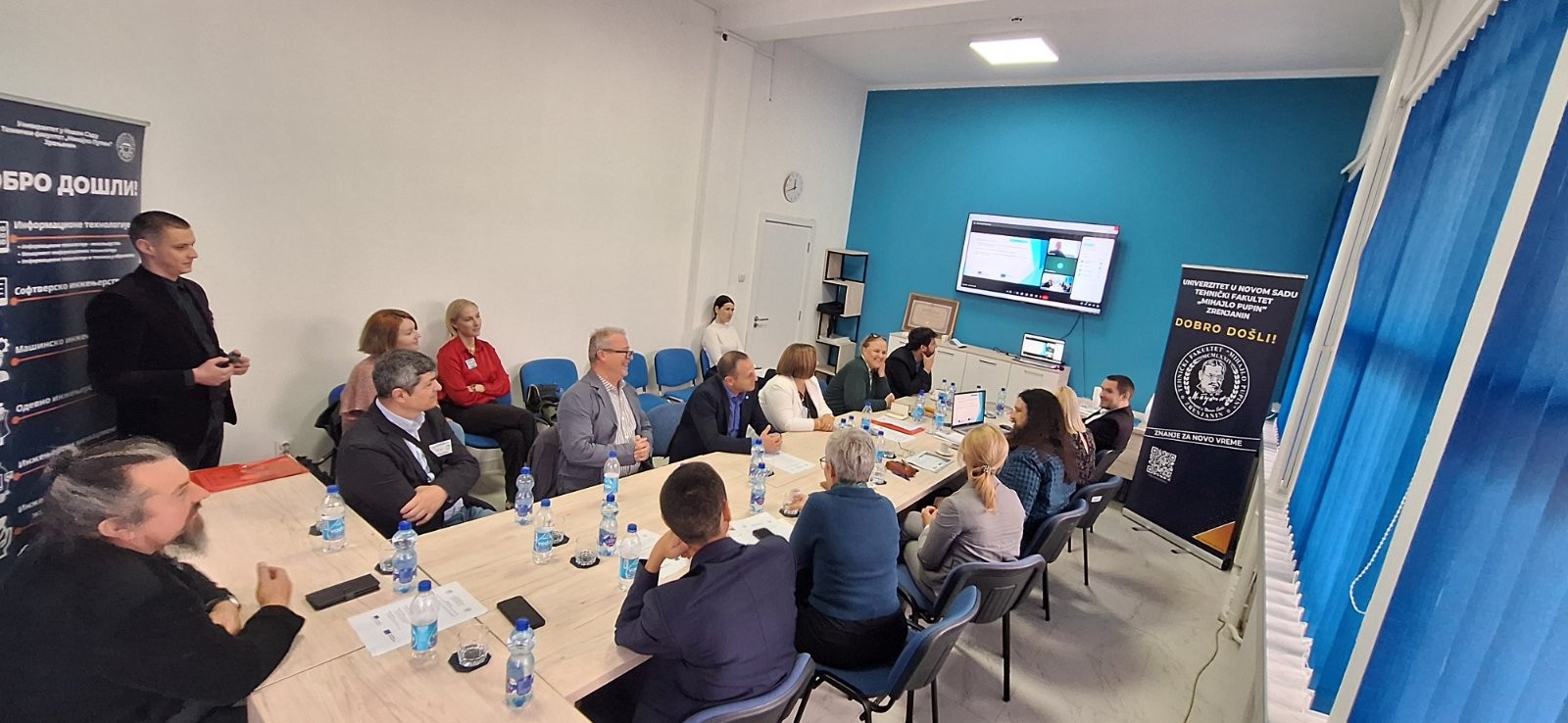
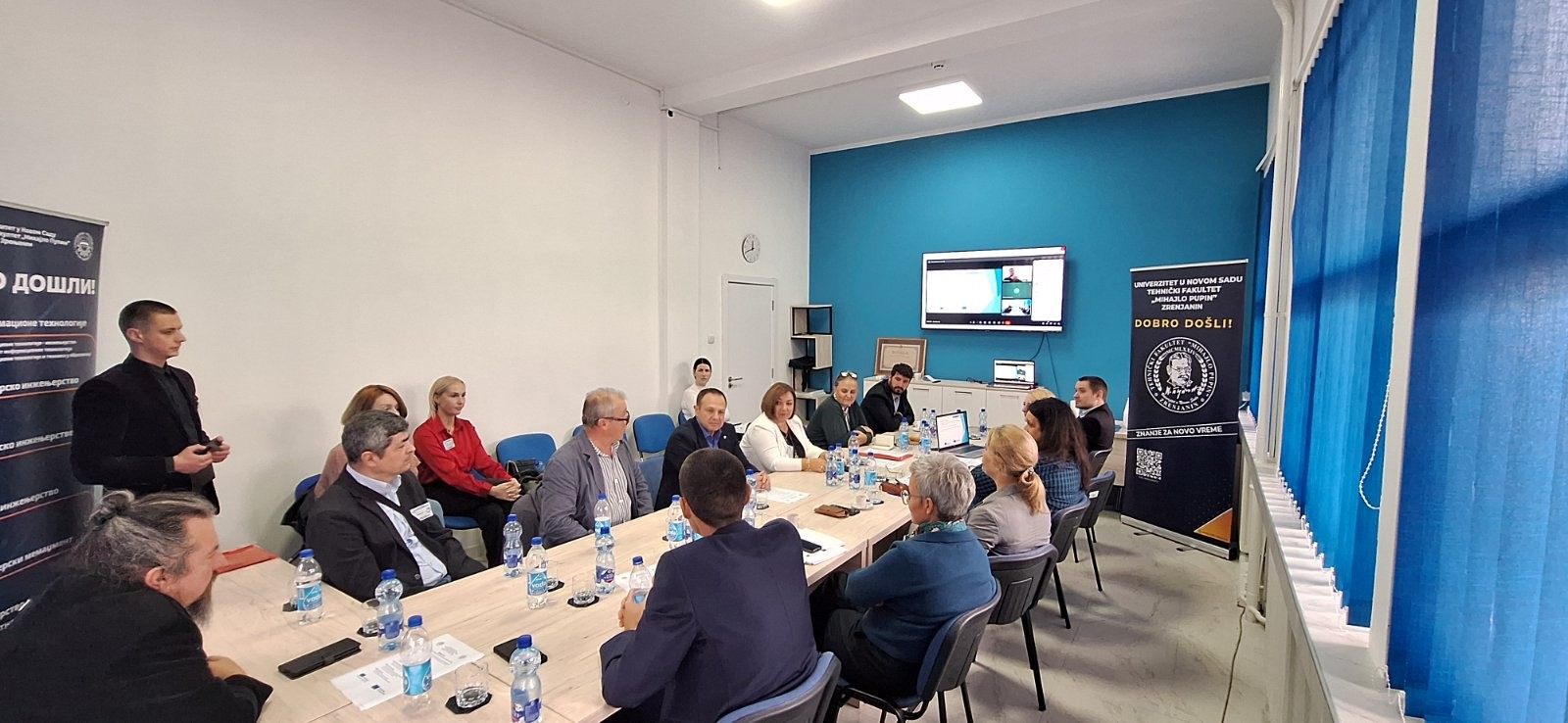
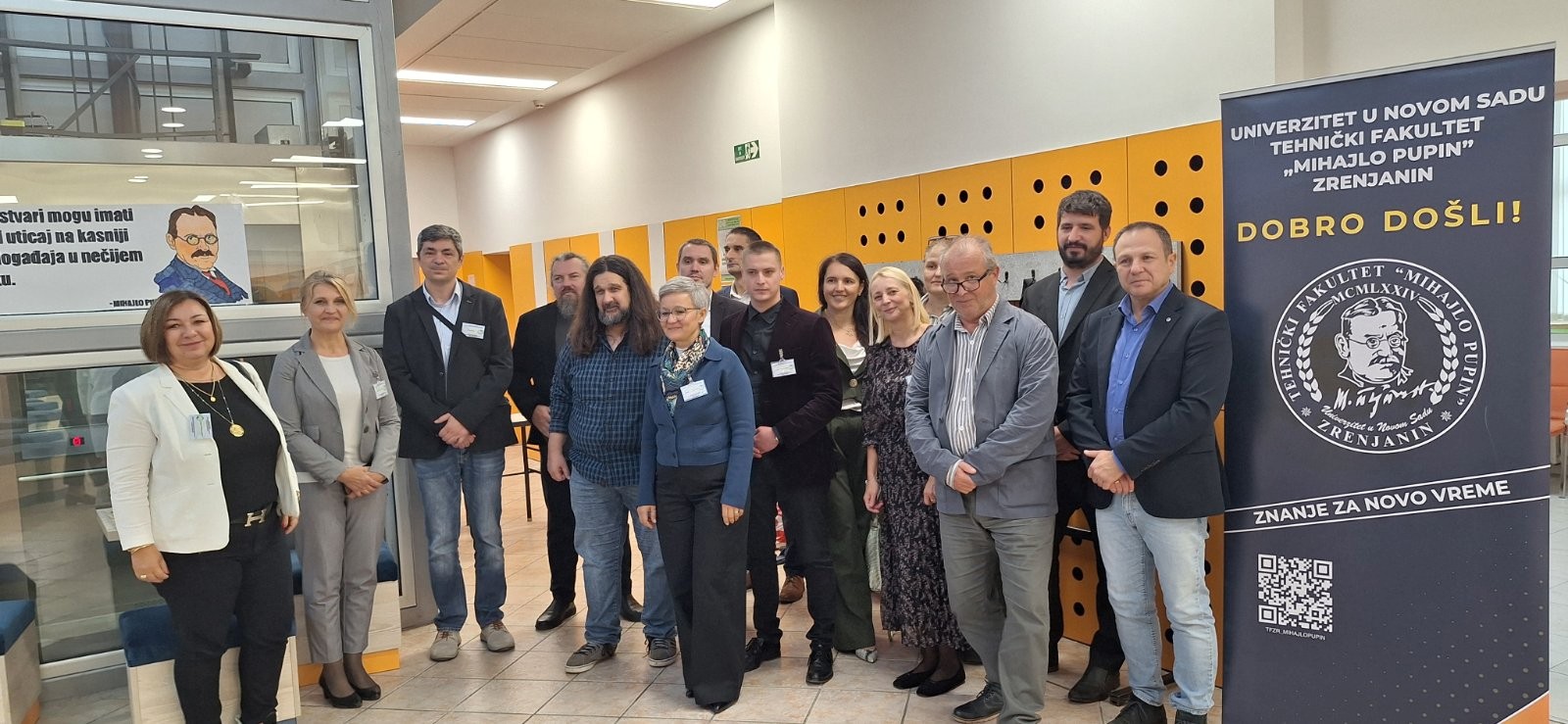
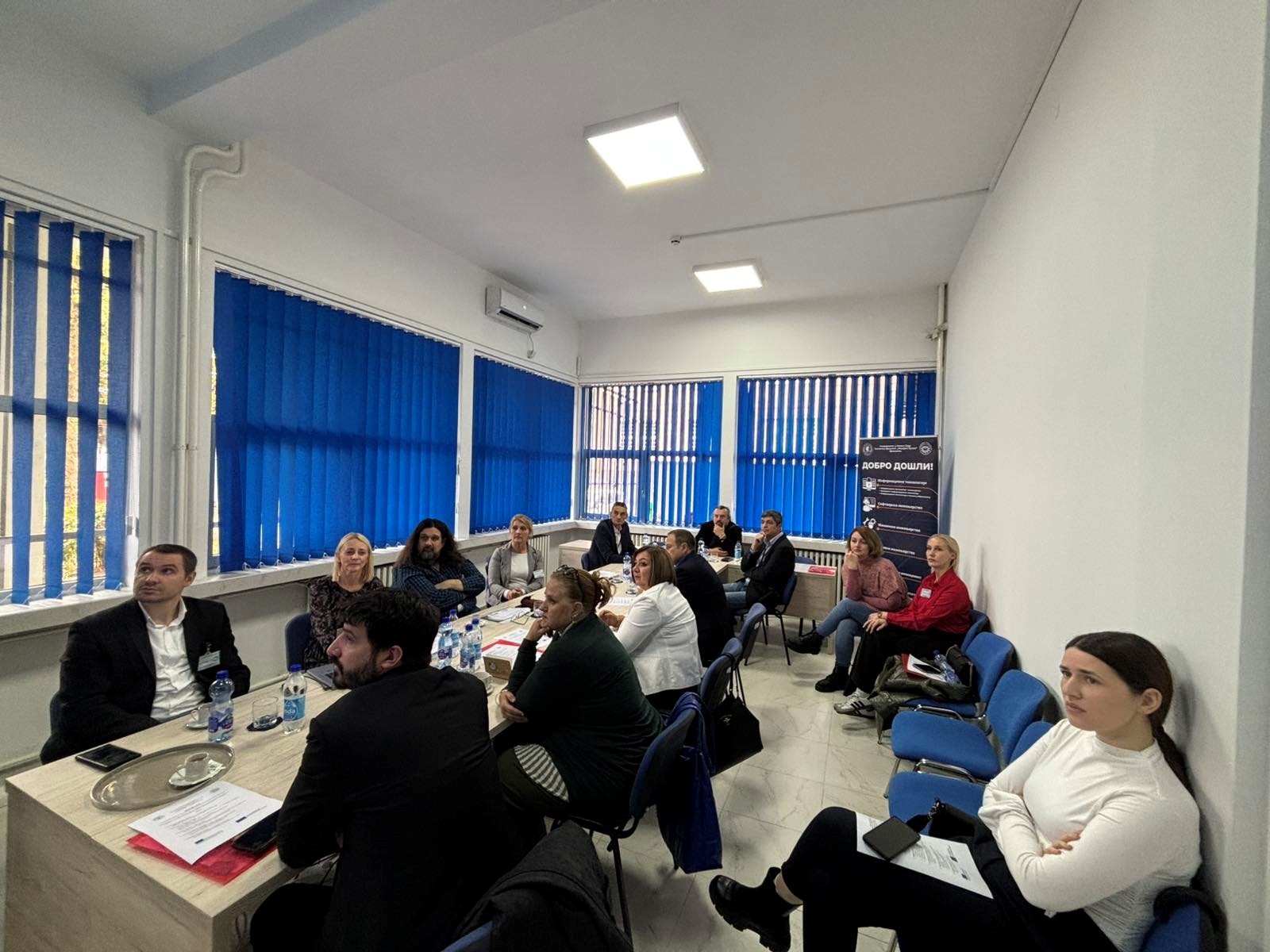
As part of the 15th Industrial Engineering and Environmental Protection (IIZS 2025) conference, a round table dedicated to the Erasmus+ project HEIstorical was held. The event was hosted by the Technical Faculty “Mihajlo Pupin”, University of Novi Sad.
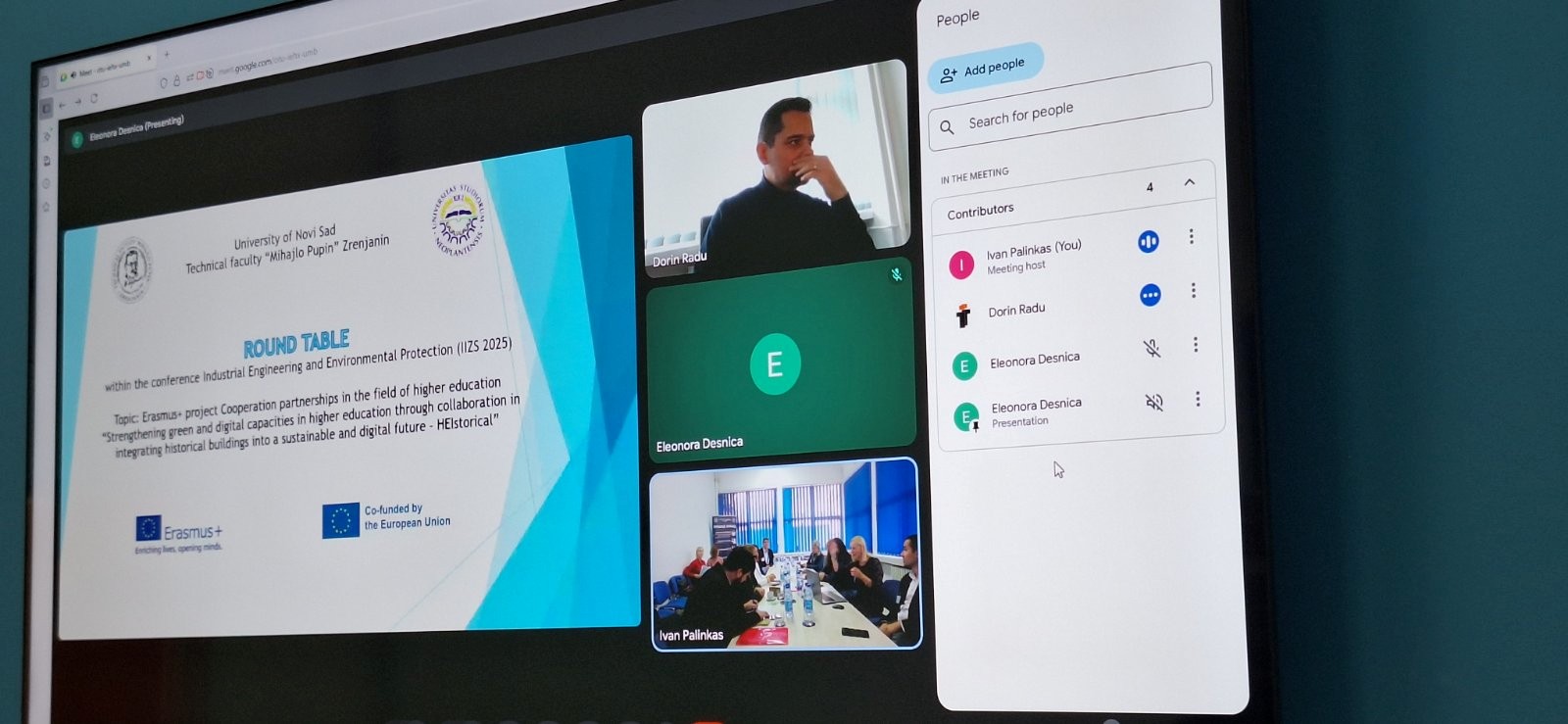
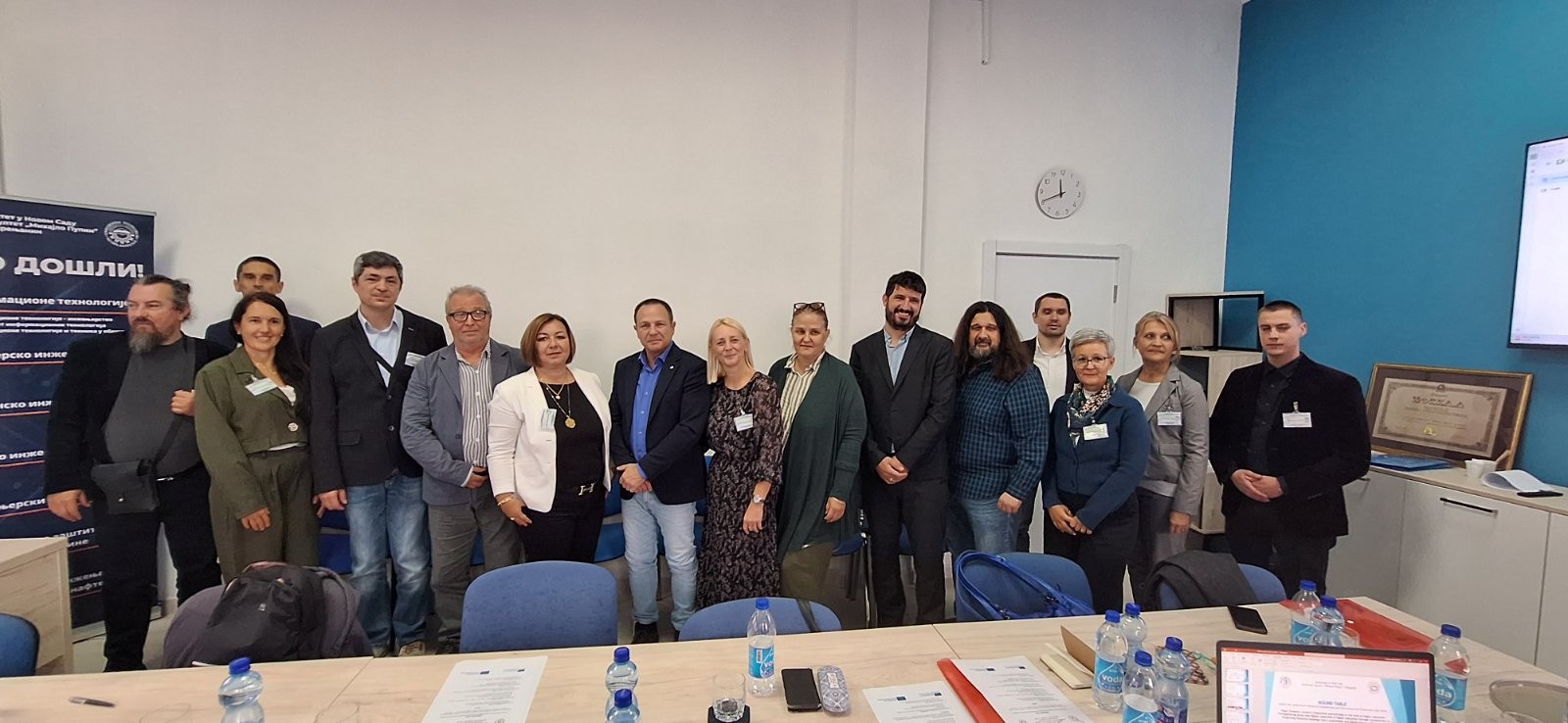
The round table was opened and moderated by prof. dr Eleonora Desnica, who welcomed representatives of partner universities, cultural institutions, students and media. Special acknowledgements were given to:
- dr Dorin Radu, Project Leader, Transilvania University of Brasov (UniTBv), Romania – who joined online;
- dr Sorin Dan, Politehnica University of Timisoara, Romania;
- dr Marijana Hadzima Njarko, Josip Juraj Strossmayer University of Osijek, Croatia;
- dr Dalibor Dobrilović, University of Novi Sad, Serbia
- Jelena Gvozdenac Martinov, Acting Director of the National Museum of Zrenjanin;
- Lazar Sretenović, Acting Director of the Contemporary Gallery Zrenjanin.
Proceedings
The meeting was officially opened by the Project Leader, Prof. dr Dorin Radu, who emphasized the strategic importance of HEIstorical for fostering interdisciplinary cooperation between engineering and cultural institutions, as well as for advancing green and digital capacities in higher education.
Each partner institution then introduced: their organization and participating team, relevant research or professional experience in heritage preservation and digitalization, their planned contribution within the project framework.
Representatives of cultural institutions highlighted the need for stronger collaboration with academia to develop innovative models for knowledge transfer and public outreach using digital tools.
Discussion
The discussion identified several major challenges in the preservation of historical buildings in Serbia and the region, including:
- outdated assessment methodologies,
- insufficient integration of digital solutions,
- limited cooperation between education, research and cultural sectors.
Participants agreed that HEIstorical provides an excellent platform to address these issues through:
- the development of a shared transnational knowledge base,
- modernization of academic curricula,
- involvement of students and local communities.
Next Steps
- Implementation of a hybrid transnational course for students and professionals;
- Launch of pilot case studies on selected historical buildings in Serbia;
- Preparation of reports on the state of digital transformation in the heritage sector;
- Regular exchange of results and best practices through joint workshops and publications.
Conclusion
The round table was successfully conducted with active participation from all partners. All attendees expressed their commitment to further collaboration and confirmed that the project represents a significant step toward a modern, sustainable, and digitally enhanced approach to cultural heritage preservation.
Agenda
Introduction and presentation of the project
- Brief presentation of the Erasmus+ project HEIstorical
- Presentation of participating institutions – representatives of the institutions
Activities and expected results
- Application of digital technologies (sensor networks, IoT, energy efficiency, microclimate control)
- Research and analysis of the condition of historical buildings
- Development of new teaching content and courses in higher education
- Networking with the local community
Faculty partners and their role
- National Museum of Zrenjanin, Contemporary Gallery of Zrenjanin (contribution through research, archival materials, and public education) – representatives of the institutions
Discussion and participants’ contributions
- Challenges of preserving historical buildings in the context of sustainable development
- Application of digital tools and new technologies in practice
- Connecting cultural and educational institutions
Conclusions and next steps
- Plan for involving the local community and students
- Promotion of results at the national and international levels
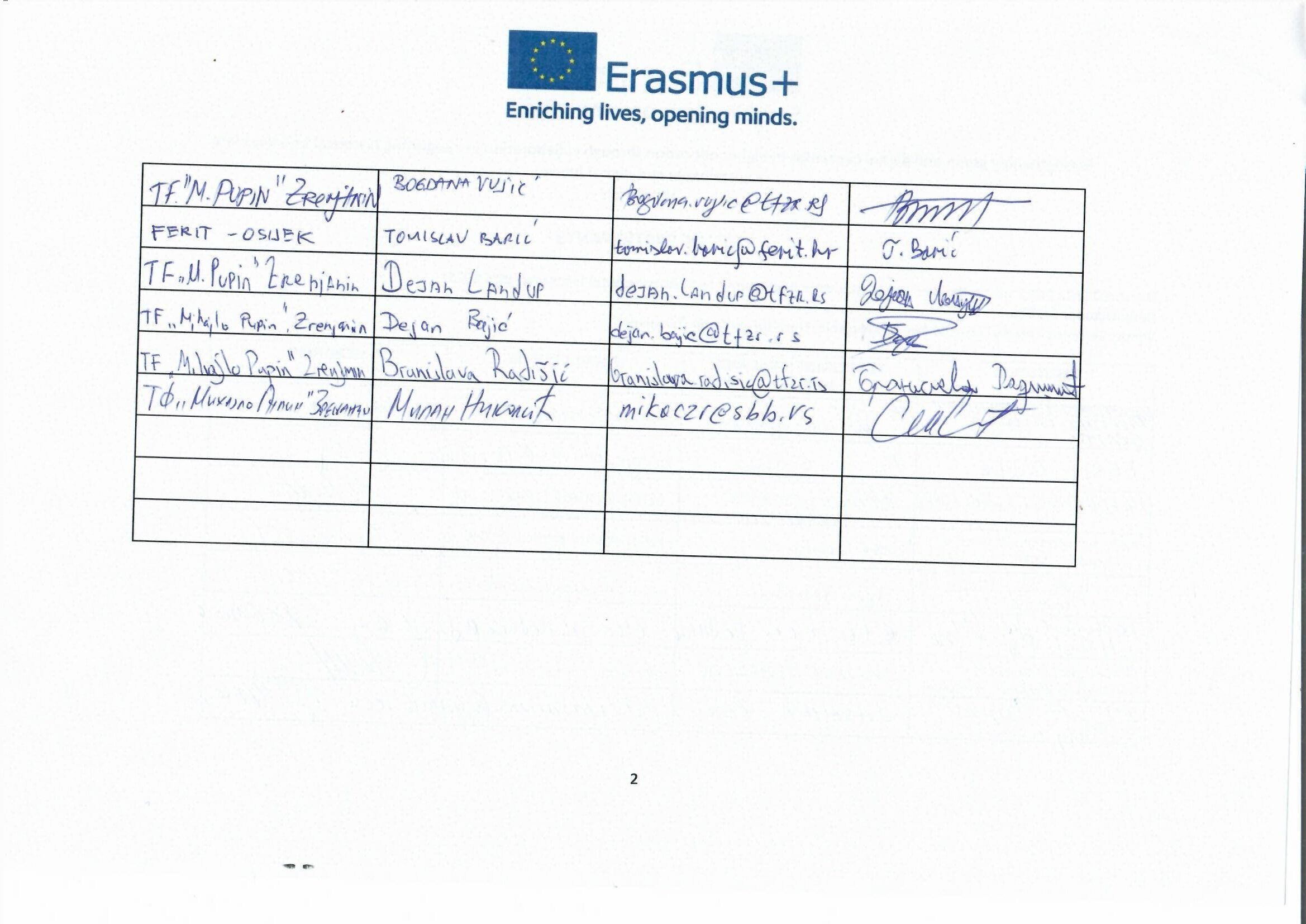
List of participants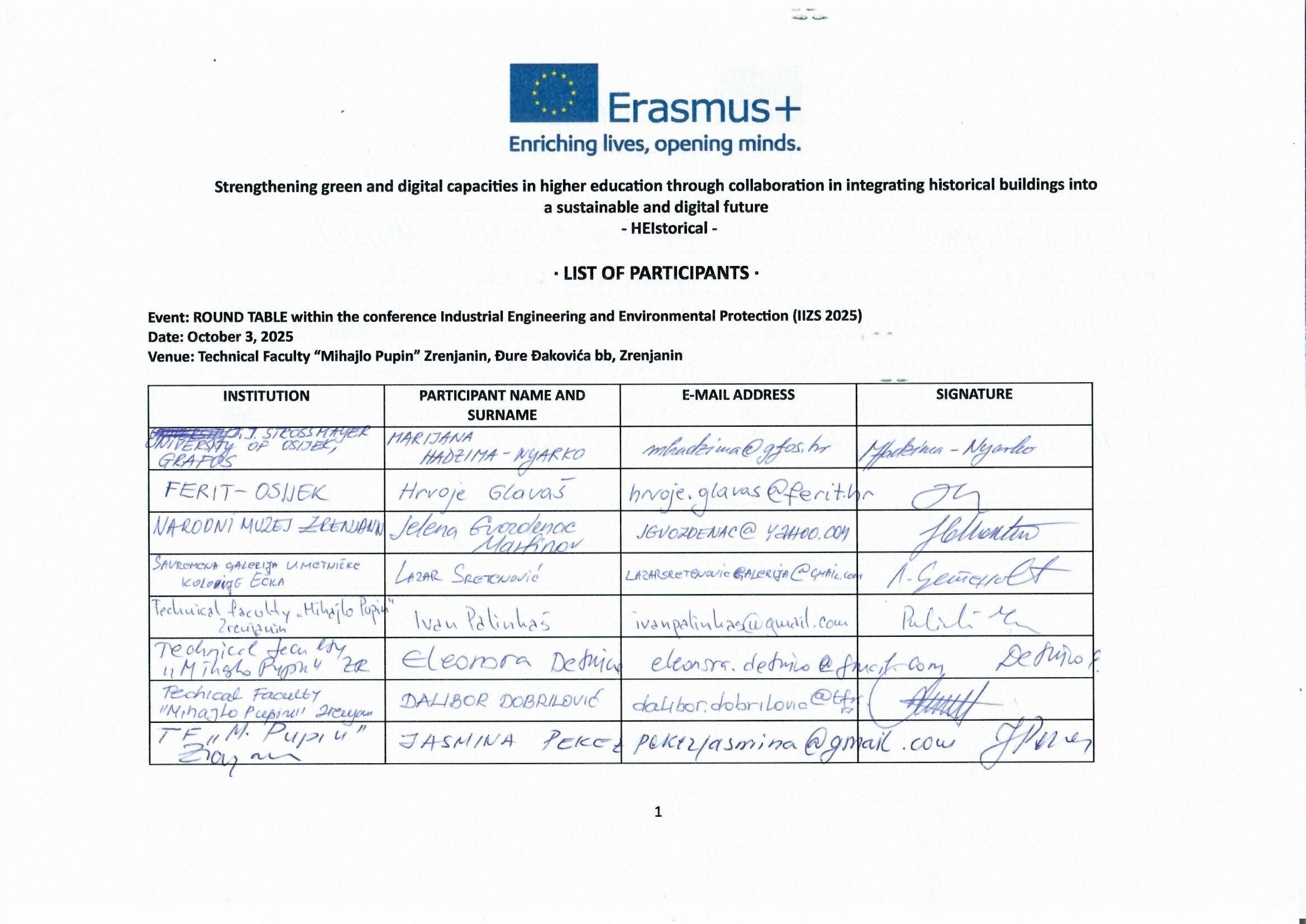
Dissemination Material
Dissemination material avaliable for publishing to the public is avaliable here.
Appendix
All presentations are avaliable on the following link.