
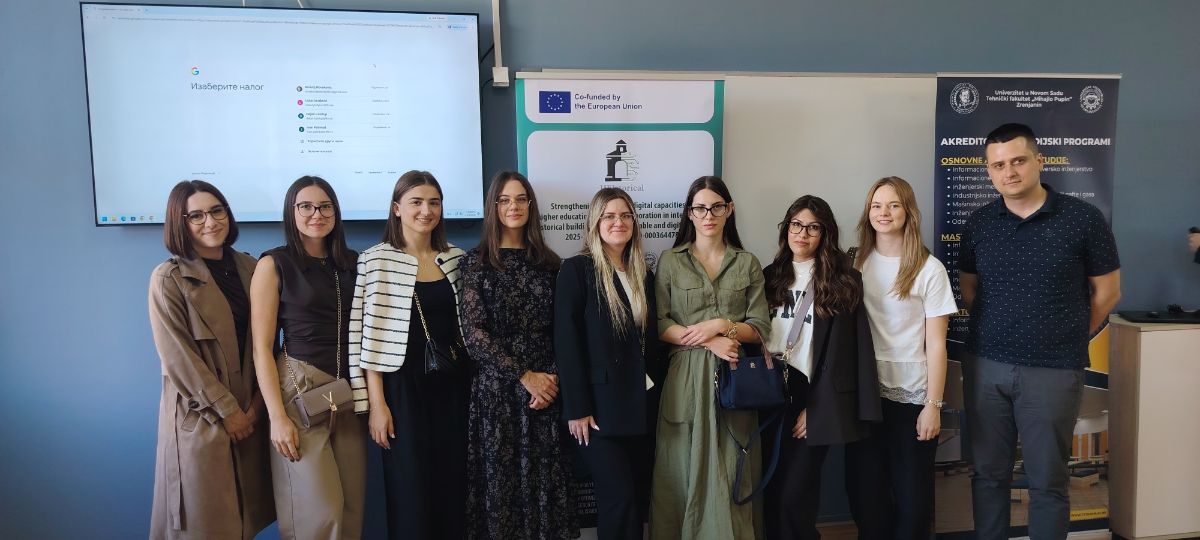
HEIstorical Special Session at the IIZS 2026 Conference
Zrenjanin, Serbia – October 2, 2026
A special session dedicated to the HEIstorical project (No. 2025-1-RO01-KA220-HED-000364478) was held within the 16th International Conference “Industrial Engineering and Environmental Protection – IIZS 2026”, organised on 1–2 October 2026 at the Technical Faculty “Mihajlo Pupin”, University of Novi Sad. The session presented the main activities and results of the first project year, bringing together the contributions of all partner institutions.
Opening of the Session
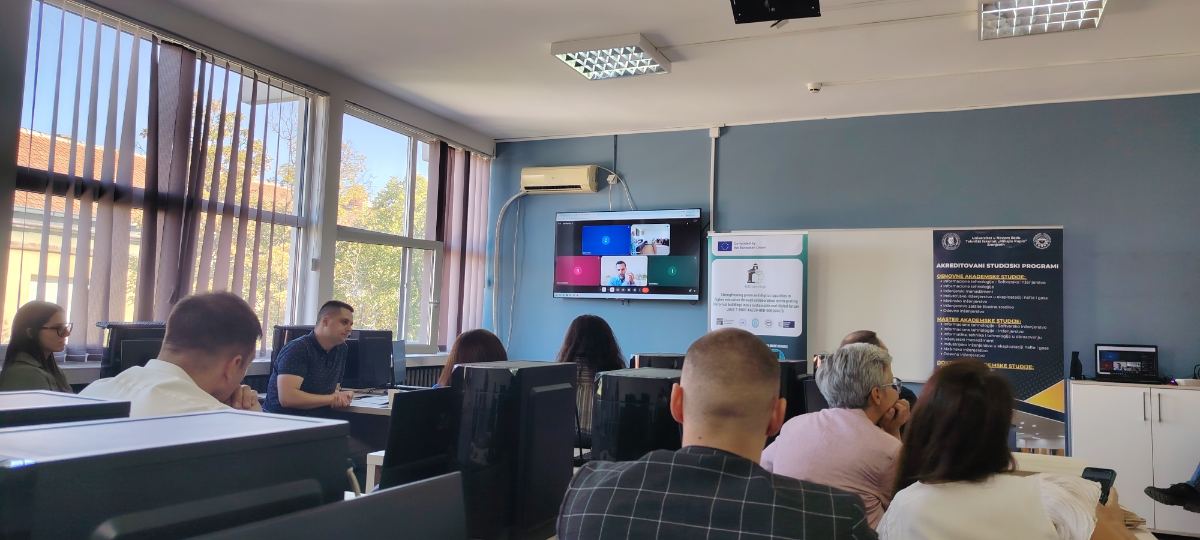
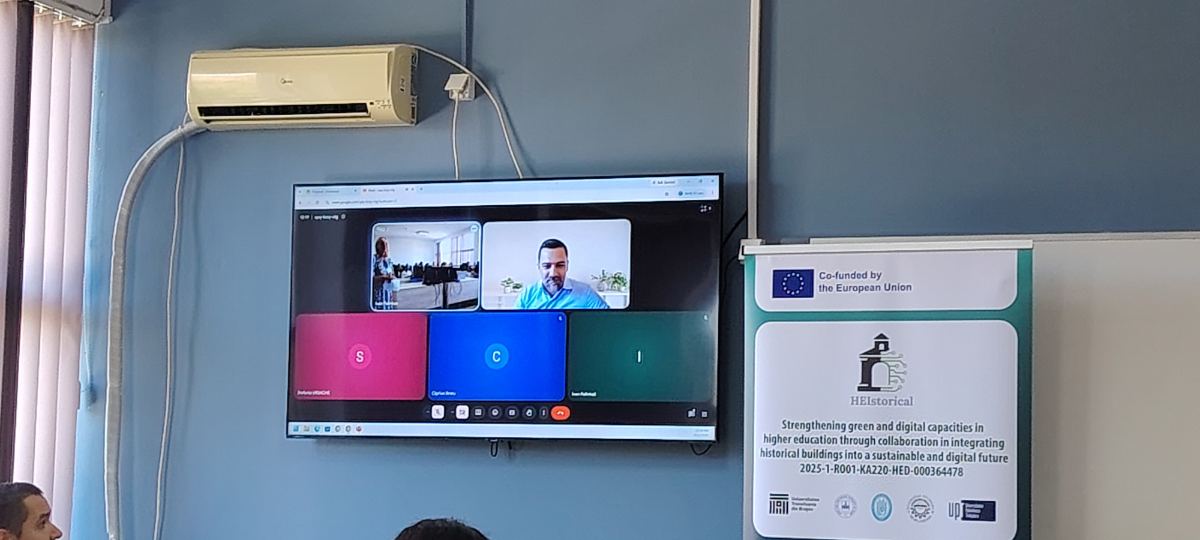
The session was opened by Prof. Eleonora Desnica, responsible for the project activities at the University of Novi Sad, who introduced the project objectives, partners and key activities of the past year. Prof. Dorin Radu, Project Leader, from Transilvania University of Brașov, joined online and highlighted the importance of international cooperation and the results achieved during the first year.
Seven Papers from All Partners
Seven papers were presented in person, online and as posters, covering:
- Assessment and seismic assessment of historical buildings
- Energy efficiency
- IoT sensors and modern monitoring technologies
- Digital data processing and analysis
- Application of research results in higher education
Students at the Heart of the Project
A highlight was the diploma thesis of student Petar Papić, “From IoT Sensor Data to Seismic Building Response: An Interactive Streamlit Platform for Structural Health Monitoring”, presented by his supervisor, Prof. Dalibor Dobrilović – the first diploma thesis at the Technical Faculty “Mihajlo Pupin” directly connected with HEIstorical. More student theses on project topics are expected in the coming period.
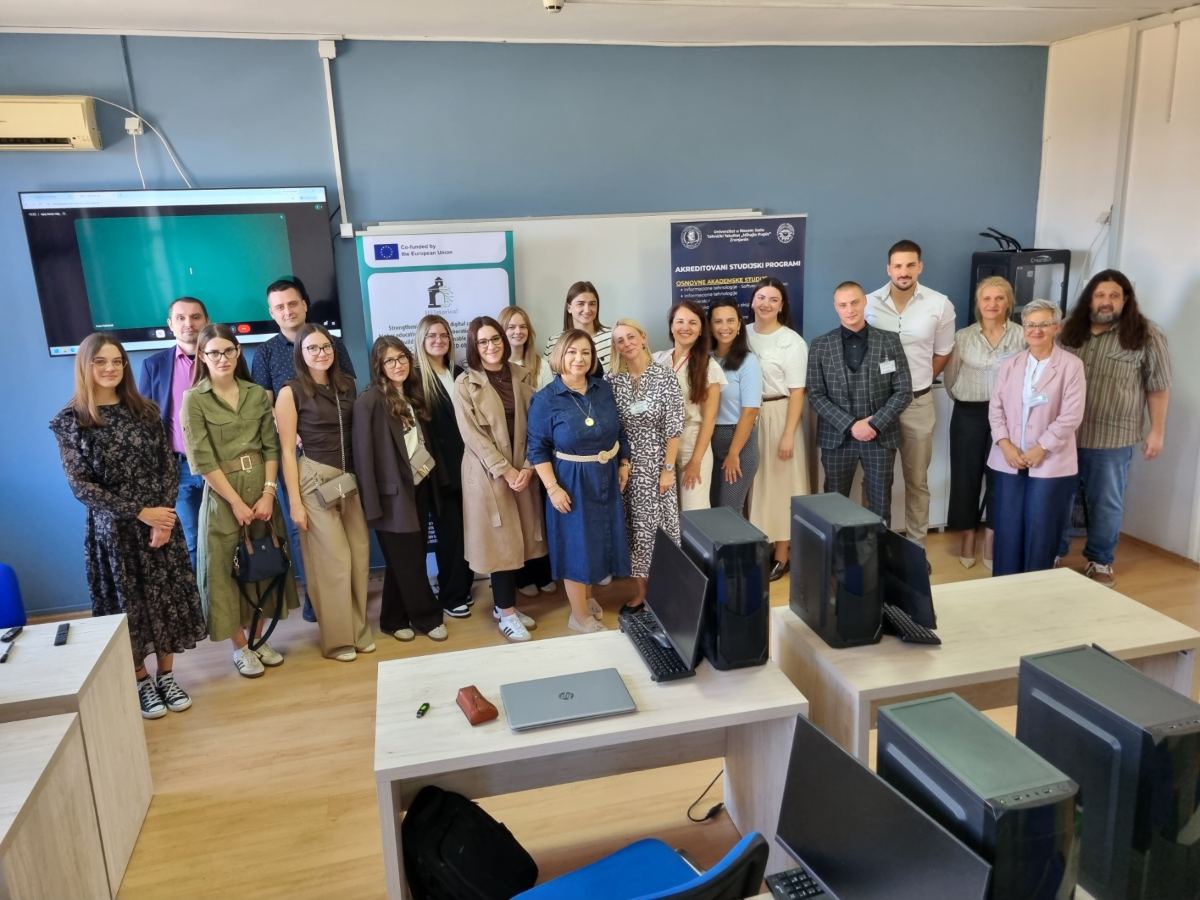
Students from the Faculty of Civil Engineering and Architecture Osijek, staying in Zrenjanin through a CEEPUS mobility, also took part directly in the session.
Outcome
Discussions after each presentation focused on results, methods and further applications, connecting individual research topics – from field data collection and monitoring, through technical and digital analysis, to education – with the broader objectives of the project. The results provide a solid basis for further research, new student theses and the next project activities.
Photo gallery
Click on a photo to enlarge it.